Technical Translations for Mechanical Engineering

Operating instructions, warning notices and technical documentation for mechanical engineering – precise, standard-compliant and terminologically consistent.

ISO-oriented process · terminology & translation memory · Optional extras: MT + post-editing · technical documentation for target markets
SDL Trados Studio – CAT tool
ECQA – certified qualification
ISO 17100 certified (LICS)
SDL LSP Partner Program badge
Quanos Übersetzer
tekom member
ISO9001:2015

Since 2007, we have helped mechanical engineering companies to deliver technical documentation ready for their target markets, using an ISO-based process and industry terminology to ensure consistent product lines over the years.

Typical use cases in mechanical engineering

This page is intended for individuals responsible for technical content who require more than a basic translation, such as process-reliable and comprehensible content that is ready for the target market. This could be for areas such as technical writing, product management, engineering, service, or export/compliance.

  • Technical documentation / technical editing (manuals, variants, updates)
  • Product conformity / CE documentation (safety-relevant passages)
  • Service / training (clear documentation for maintenance/briefing)
  • Software / HMIteams (UI strings, messages, operating logic)
Mechanical engineering is one of our strongest industries: we combine industry terminology with an ISO-oriented quality process.

Request a project & receive expert advice

Do you have technical documents that need translating? Send us 1–2 sample files. You will receive a specific recommendation and a quote within 24 hours.

Document types in mechanical engineering that we regularly translate

Document type Typical purpose Quality focus Typical outcome
Operating and instruction manuals Safe operation, market access Unambiguity, consistency, terminology Comprehensible, verifiable manual
Safety and warning notices Risk communication Risk logic, standardised wording, stringency Unambiguous warning text, fewer operating errors
Product and system description Functions, interfaces, limitations Technical precision Consistent terminology across product lines
Training and service materials Training, maintenance, repair Practical intelligibility Quickly usable service documents
Software and HMI texts Operating logic, messages Context, concision, UI consistency String-precise, consistent UI

Safety and standards: Translation is part of product safety

Machinery must be supplied with instructions in the official languages of the target country . If a manual is delivered as a 'translation of the original instructions', the original instructions should be provided for verifiability in case of ambiguity, among other reasons.

For operating manuals, warning notices and safety-relevant passages in particular, it's not just about linguistic accuracy, but also about clarity, unambiguity and traceability in the target market. You can read more about this in our blog.

For operating manuals, warning notices, and safety-relevant sections, what counts isn't style, but unambiguity, terminology and traceability.

ⓘ Note: From 20 January 2027, the Machinery Regulation (EU) 2023/1230 will fully replace the previous Machinery Directive 2006/42/EC. Language requirements for operating manuals will remain in place and become more precise.

Quality and process: ISO 17100, terminology, post-editing

We combine qualified specialised translation with a clear process: establishing terminology and applying it consistently, revision (four-eyes principle) and, where it makes sense, machine translation (MT) and post-editing..

ISO 17100 Quality-assured specialised translation with defined processes and revision.
ISO 18587 Full human post-editing of machine-translated content.
Project situation Recommendation Why
Safety-relevant operating instructions / warning notices Specialised translation + revision (ISO logic) Maximum unambiguity, strict terminology consistency and verifiability, with no compromises on safety‑critical content.
Very high word volumes, short deadline, lots of repetitions MT + post-editing + QA Scalable for high volumes while maintaining controllable quality
Many variants and product lines, many teams, long runtime Building terminology + translation memory Consistency across all product lines and teams saves time and costs on every update.

Specific mechanical engineering industries in focus:
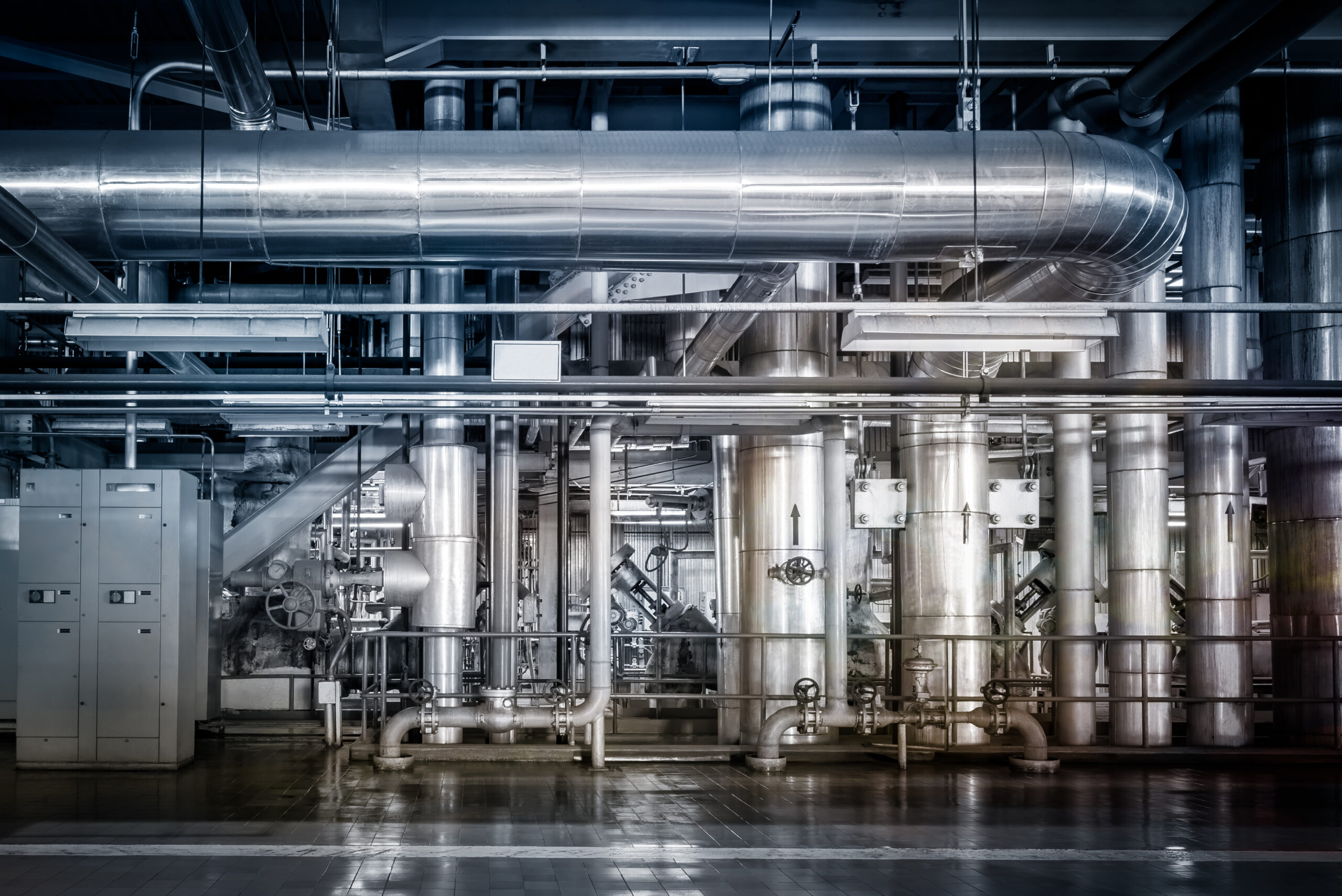
Fachübersetzungen Plant Engineering: Rohrleitungs- und Plant Engineering
Plant Engineering

Plant Engineering

Multi-part document packages, many interfaces and multi-supplier terminology. Terminology work is the most powerful lever here.

Learn more
Fachübersetzungen Machine Tools: CNC-Bediener an Bearbeitungszentrum
Machine Tools

Machine Tools

Operating logic and recurring UI messages must be consistent. This is ideal for TM-supported workflows.

Learn more
Fachübersetzungen Packaging Machines: Pharma-Verpackungslinie
Packaging Machines

Packaging Machines

Line integration, food and pharmaceutical compliance, precise translation for complex packaging lines.

Learn more
File formats and typical content

We deliver translations in a way that makes them practically usable in your target market: Consistent terminology, clean formats, manageable updates. We provide translations into all major world languages with experts from your industry.

Input / format Typical content Note:
Word / Excel Instructions, tables, warning notices QA figures, units, consistency
InDesign / IDML DTP layouts, manuals, catalogues Layout check after translation
FrameMaker / MIF Technical documentation, long manuals Structure, variables and cross-references remain intact
XML / DITA / CCMS exports Modular documentation, structured content Ideal for reuse and automated workflows
UI strings (CSV / JSON / Resx) HMI and software texts, error messages Context checking and length restrictions
PDF / reference material Templates, reference documents, legacy content Usable as a reference; translation from an editable format
Graphics containing text Callouts, labels, circuit diagrams Handled separately or integrated depending on the workflow

ISO 9001, ISO 17100, ISO 18587, tekom member, LICS certified, independently audited quality for your technical translations.

In our pursuit of the best quality, certifications and memberships carry significant weight. This results in the independent certification of our work quality, alongside ongoing knowledge and process development. Your benefits:

    • qualified translators (native speakers with subject-matter backgrounds),
    • traceable and documented project management
    • four-eyes principle with a second qualified translator
Qualitätsmanagement und Zerfifizierungen

What industry and engineering clients say about COMLOGOS

ALPHA LASER GmbH Logo
ALPHA LASER GmbH
★★★★★
Technical Documentation

'We are a global manufacturer of laser machines for laser welding, laser cutting and laser hardening, and we have been working with COMLOGOS for many years on the translation of our operating instructions. We are very satisfied with the collaboration."

Reichenbacher Hamuel GmbH Logo
Reichenbacher Hamuel GmbH
★★★★★
Technical Documentation

'We are very satisfied with our collaboration with COMLOGOS. On-time delivery, reliability, service, flexibility and friendly communication are just a few of the qualities we consistently appreciate.'

FAQ

Typical documents include operating/user manuals, assembly and maintenance manuals, safety and warning notices, product/system descriptions, training materials, and service manuals. For HMI/software, UI strings, error messages and operating logic are also included.

Ideally: One or two sample files, the target languages and countries, the desired delivery format (InDesign/IDML, XML or Word) and any existing term lists or glossaries.

Costs depend on word volume, repetition rate, complexity, formatting effort and the desired quality level (revision, terminology and post-editing).

Because manuals and warning notices are safety-critical documents: the terminology, action sequences and warning logic must be unambiguous. The EU requires instructions to be provided in the official languages of the target country.

By using a terminology database, translation memory and defined spellings for components, functions and states. This prevents terminology drift between releases and teams.

Specialised translation: human translation by qualified specialist translators. Revision: a second qualified person checks the content and language (four-eyes principle). Post-editing: human editing of machine translation output in accordance with ISO 18587.

A preliminary machine translation is post-edited by a qualified specialised translator. Full post-editing according to ISO 18587 involves a thorough check of the output for content accuracy, terminology, and consistency. In mechanical engineering, this approach is particularly cost-effective for repetitive content, such as variant manuals, UI strings, and update documentation. We also secure quality for safety-relevant passages, such as warning notices, through classic specialised translation with revision. More machine translation →

🔧

Your mechanical engineering project is in good hands.

Send us one or two sample files from your current project, such as an operating manual, a set of warning notices or HMI strings. We will recommend the best approach and suitable language strategy for your target markets and prepare a clear, non-binding quote, including a plan for reuse across all product lines and updates.

Response typically within 1 working day · Confidential handling of your files · Free and non-binding

The right services and technologies