
Specialised Translations for Battery Technologies
From cell chemistry to the Battery Passport: audit-proof translations for cell manufacturers, battery OEMs and their suppliers.
Quality and compliance: ISO 17100 · ISO 18587 · NDA-proven · data protection aligned with ISO 27001 standards




The European battery industry is undergoing an unprecedented expansion phase. Gigafactories are emerging in Brandenburg, Salzgitter and Eisenach, as well as in Scandinavia and Southern Europe. At the same time, the EU is tightening regulatory requirements with Battery Regulation 2023/1542, the Battery Passport and supply chain due diligence obligations. Anyone working in this field must produce documents in multiple languages simultaneously, to tight deadlines and with audit-ready accuracy.
COMLOGOS COMLOGOS has specialised in technical translation for 19 years and is familiar with the terminology of the battery industry, including cell chemistry, battery management systems, and safety documentation. Our specialised translators work in the languages that matter for the global value chain: German ↔ English for industry communication; Chinese, Korean and Japanese for suppliers and joint venture partners; and French, Spanish and Italian for the European market.
Who we serve
The battery value chain is diverse. We support four core target groups, from cell manufacturing to equipment manufacturers.
Cell manufacturers
Manufacturers such as CATL, LG Energy Solution, Samsung SDI, Panasonic, VW PowerCo, ACC and Verkor develop and produce cells and document processes designed in cleanrooms with the utmost precision.
Typical documentation: research reports, patent specifications, test reports, qualification documents.
Module and pack manufacturers
Integrators who build high-performance modules and packs from individual cells for use in e-bikes, industrial storage, large-scale stationary storage, marine applications and mining.
Typical documentation: engineering specifications, BMS software strings, maintenance instructions, safety data sheets.
Battery OEMs in mobility
OEM battery divisions that develop their own cells or packs for vehicles such as passenger cars, trucks, buses, ships and off-highway equipment.
Typical documentation: requirement specifications, ISO 26262-compliant safety analyses, ECE R100 approval documents and service documentation for all markets.
Equipment and material suppliers
Plant builders (mixing machines, coating and drying equipment, winding machines and formation lines) and material manufacturers (cathodes, anodes, electrolytes and separators).
Typical documentation: technical data sheets, process instructions and compliance documents for supply chain customers.
Request a project & receive expert advice
Do you have technical documents that need translating? Send us one or two sample files and you will receive a concrete recommendation and a quote within 24 hours.
Compliance landscape of the battery industry
Hardly any other industry is regulated as densely or as quickly as the battery industry. Eight regulatory frameworks determine what and how translation needs to happen.
| Regulatory framework | Documentation implications |
|---|---|
| EU Battery Regulation 2023/1542 | Mandatory for all batteries in the EU. Phased introduction from 2024 to 2027. Requires multilingual labelling, safety information and CO₂2footprint declarations in all EU official languages. |
| Battery Passport (from Feb 2027) | Digital product passport for industrial batteries with a capacity of over 2 kWh and traction batteries. ata on cells, modules and packs must be stored in a machine-readable, multilingual format. |
| Product Carbon Footprint (PCF) | CO₂2balance per battery model. Declarations will become part of supply chain contracts and must be available in multiple languages. |
| Supply chain due diligence obligations | Mandatory risk analyses on raw material origin under the EU Battery Regulation and the German Supply Chain Act (LkSG). We translate compliance reports and supplier correspondence. |
| UN 38.3 (transport) | International test requirement for lithium batteries in the transport of dangerous goods. Test reports and safety data sheets (MSDS) must be available in all transit countries. |
| IEC 62133 (safety) | Safety requirements for portable secondary batteries. Test reports and declarations of conformity are translated into many languages. |
| ECE R100 (traction batteries) | UN regulation for the approval of electric drive trains. Mandatory for passenger cars, trucks and buses with electric drives. |
| ISO 26262 (functional safety) | For BMS software and control units, ASIL classifications and safety concepts must be provided in the OEM's language. |
Important note: the EU Battery Regulation is being implemented in several phases. Certain obligations (e.g. CE marking, safety information) have applied since 18 August 2024. Battery Passport, carbon footprint (CO₂)2thresholds and recycling quotas will be introduced in 2025, 2026 and 2027 respectively. Those planning their documentation pipeline now will be well prepared.
Translation services for the battery industry
We translate documents relating to every stage of your battery value chain, from research to market launch.
Research reports and patent specifications
We translate scientific reports, publications and patent applications, with a clear understanding of cell chemistry terminology. For patents, often with certified translation for national validation.
BMS software and operator strings
Battery management system: operating languages, status messages and alarm text in the end customer's language. We are familiar with character limits in embedded UIs and can work with XLIFF, JSON and proprietary export formats.
Safety data sheets and transport documents
MSDS, UN 38.3 test reports and hazardous goods documentation with GHS-compliant terminology. These are mandatory for all transit and import countries.
Engineering and production documentation
plant specifications, process instructions and maintenance documentation for mixing machines, coating lines and formation lines. Often urgent due to production ramp-up pressure, and often multilingual.
Compliance and audit documents
EU Battery Regulation conformity, PCF declarations, supply chain reports and audit correspondence. The ISO 17100 four-eyes principle is applied to legally relevant sections.
Marketing and website localisation
Product brochures, websites, investor presentations, trade show materials. We also offer transcreation to ensure that marketing messages work in every language.
Related expertise from COMLOGOS
eMobility
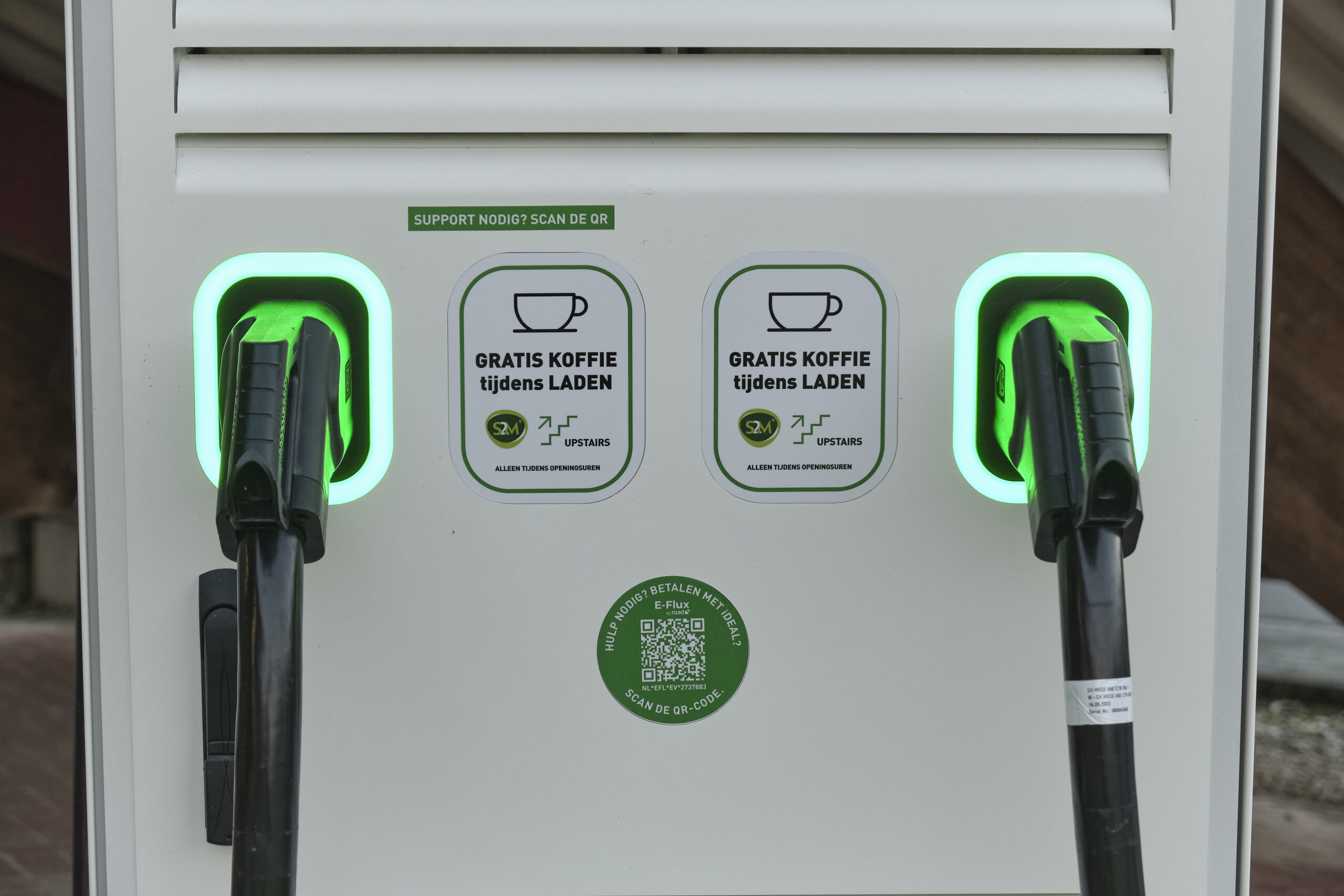
We offer specialised translation services to keep up with the pace of electromobility, covering everything from charging infrastructure to the drive train and software-defined vehicles.
Learn more
Automotive
For IATF 16949, FMEA and requirement specifications, translation that is terminologically accurate is important for OEMs and Tier 1/2 suppliers.
Learn more
Plant Engineering
For multi-part document packages, many interfaces and multi-supplier terminology, terminology work is the most important factor.
Learn moreFormats and standards we work with
We work directly with the file formats used in the engineering industry and are familiar with the standards that shape your documentation.
File formats we process
- ✓ Word, Excel, PowerPoint (Office standard)
- ✓ PDF (including scanned documents with OCR)
- ✓ InDesign / IDML, FrameMaker / MIF (layout fidelity)
- ✓ XML, XLIFF, JSON (software and CCMS)
- ✓ AutoCAD and EPLAN exports (plant engineering)
- ✓ Schema ST4, COSIMA, TIM-RS (CCMS exports)
Industry standards we know
- ✓ EU Battery Regulation 2023/1542 and annexes
- ✓ UN 38.3, IEC 62133, IEC 62660 series
- ✓ ECE R100, ISO 6469 (electrical safety)
- ✓ ISO 26262 (functional safety for BMS)
- ✓ GHS and CLP (hazardous substance labelling)
- ✓ VDA standards and IATF 16949 (automotive)
- ✓ CDP, GRI, ISO 14067 (PCF and sustainability)
ISO 9001, ISO 17100, ISO 18587, tekom member, LICS certified – independently audited quality for your battery technology documentation.
In the battery industry, regulation, safety and speed intersect. From the Battery Passport to the PCF declaration, every translation must be ready for auditing and verification. This is why we consistently work in line with certified processes,which means traceable quality, documented procedures and qualified resources for every project.
- ✓ Qualified translators: native speakers with a subject-matter background in electrochemistry, process engineering or electrical engineering. They have an understanding of cell chemistry, BMS software and compliance documentation.
- ✓ Documented project management: traceable procedures and transparent communication, even under production ramp-up pressure or in multilingual Battery Passport pipelines.
- ✓ Four-eyes principle: revision by a second qualified translator in accordance with ISO 17100 for legally relevant sections such as the EU Battery Regulation, declarations of conformity and MSDS.

The right services and technologies
FAQ – Frequently asked questions about translations for battery technologies
We translate the full range, including research reports, patent specifications, BMS software, safety data sheets (MSDS) and UN 38.3 transport test reports, as well as compliance documents for the EU Battery Regulation, CO₂ footprint declarations and Battery Passport-relevant data. This also includes production instructions for gigafactory equipment, patent specifications, and investor communications.
A great deal. Depending on the battery type and market phase, the EU Battery Regulation 2023/1542 requires labelling in all the official languages of the member states where the battery is sold. From February 2027, the Battery Passport will be added, providing machine-readable data on cell chemistry, raw material origin and CO₂ footprint. At the same time, due diligence reports and PCF declarations must be made available in multiple languages throughout the supply chain. We recommend creating a consistent terminology database early on, and we are happy to help.
The Battery Passport will become mandatory in February 2027 for industrial batteries with a capacity of over 2 kWh and for traction batteries. Data on cell, module and pack composition, including raw material origin, cell chemistry, CO₂ footprint and recycling quotas, must be stored in a machine-readable, multilingual format. We work with our clients to create consistent terminology databases for each battery model. This ensures that the data remains uniform, audit-ready and machine-processable in all the required EU official languages. Those who start building now won’t face stress in 2027.
Yes. Battery management system interfaces, status messages, alarm text and diagnostic codes are a combination of disciplines spanning software localisation and electrical engineering. We work directly with XLIFF, JSON, PO/POT and proprietary export formats from embedded development environments. We are familiar with character limits in embedded displays, plural rules in Slavic languages and encoding issues with Asian character sets. Ideally, you would provide the strings in their original format and we would return them to you in the same format, ready for building.
In the European market: German ↔ English (industry’s lingua franca), French, Spanish, Italian, Polish. In the Asian supplier context: Chinese (simplified), Korean and Japanese. These are the three main languages of the leading cell manufacturers For compliance documentation under the EU Battery Regulation, all 24 EU official languages are often additionally needed. We offer over 40 languages with native-speaking specialised translators.
With two-tier workflows. For internal documentation such as training materials and supplier correspondence, we offer fast and cost-effective AI-assisted translation with post-editing in accordance with ISO 18587. For regulatory documentation such as approvals, patents and safety data sheets, we use the classic ISO 17100 workflow involving specialised translation and the four-eyes principle. For urgent orders, we work with established translator teams per language and can be relied upon to deliver even under time pressure.
In the battery industry, confidentiality isn’t a luxury, it’s a prerequisite, whether for cell chemistry research, unprotected patent applications, BMS source code or supplier audits. We work with NDAs as standard and can adapt them per project or per client as needed. Our internal processes align with ISO 27001 standards, including access-restricted project folders, secure data transfer and a defined circle of translators per client. Upon request, we provide patent applications with a certified translation for national validation.
Your battery project is in good hands
Send us a sample file, such as a research report, a safety data sheet or a Battery Passport specification as a sample file. We will analyse the scope, terminology and format and provide you with an estimate of the effort required, the timeline and a suitable language strategy for your EU compliance or global supply chain. Non-binding and confidential.
ISO 17100 four-eyes principle · NDA as standard · Response within 24 hours

