
Specialised Translations for Automotive Suppliers in the Transformation towards Electromobility.
Operating instructions, FMEA analyses, PPAP documents and technical docs for Tier-2 and Tier-3 suppliers in powertrain, electronics, on-board network and lighting technology from the DACH region – understood worldwide.
Proven in IATF contexts · VDA-compliant · ISO 17100 · Over 40 languages




The automotive industry is experiencing the biggest upheaval in its history. Tier 2 and Tier 3 suppliers from the DACH region who have supplied components for combustion engines for decades are rapidly transforming towards electromobility , producing e-drives, wiring harnesses for 800-volt architectures, sensors for autonomous driving and intelligent lighting systems. This transformation brings with it a wave of new technical documentation in an ever-increasing number of languages and within ever-shorter timeframes, all of which must adhere to strict industry standards such as IATF 16949, VDA 6.x and ISO 26262. Since 2007, COMLOGOS has been translating for automotive suppliers in the DACH region, and today we are just as precise with classic combustion engine components as we are with the new world of electromobility.
Automotive at COMLOGOS: Our target group are the suppliers
Note: Automotive suppliers face dual pressure: they need to continue documenting classic combustion engine components to the same high standard while also building up documentation for entirely new e-mobility products. This quickly doubles the volume of translations required. A translation memory that understands both areas is crucial here.
The term ‘automotive’ is broad. COMLOGOS has taken a clear position: we specialise in translating for the supplier industry, working with Tier 2 and Tier 3 companies that supply components and subsystems to large Tier 1 suppliers and OEMs. These companies are the true backbone of the German automotive economy: they are mid-sized and highly specialised, and they export worldwide.
What especially defines Tier 2 and Tier 3 suppliers:
- deep subject-matter expertise (often as market leaders in niches such as stator windings, connectors and LED modules)
- high documentation requirements: tier 1 clients and OEMs demand complete traceability
- global supply chains: plants and clients in many countries and languages
- transformation under pressure: parallel worlds of combustion engines and BEVs, often within the same plant
This reality is reflected in the documentation: a component is rarely delivered in just one language. It comes with operating manuals, training materials, FMEA analyses, PPAP packages, IMDS material data and, often, CAD data sets too. These are provided in five to fifteen languages, with certified consistency across all generations.
Request a project & receive expert advice
Do you have technical documents that need translating? Send us 1–2 sample files and you will receive a concrete recommendation and a quote within 24 hours.
Component areas we support with our translation services
Drive systems and powertrain
From classic combustion engines and transmissions to hybrid drives and fully electric e-axles. We translate documentation for manufacturers of stator and rotor windings, power electronics, inverters, transmission components and drive trains for both classic combustion engines and new electromobility technologies. The language is changing rapidly: whereas fuel injectors and cylinder heads once dominated the conversation, today we talk about stator laminated cores and power semiconductors.
Electronics, sensors and ADAS
Control units (ECUs), driver assistance sensors, radar and camera modules, inverters and battery management systems. Special requirements come into play here: ISO 26262 for functional safety, increasing software content and cybersecurity issues. Translations must be both linguistically precise and accurate in their use of the highly specific terminology of automotive electronics.
Cables, connectors and wiring harnesses
The wiring harness of a modern vehicle comprises several kilometres of cable and hundreds of connectors. E-mobility brings new challenges: 800-volt architectures, high-voltage connectors, shielding concepts. We translate for manufacturers of wiring harnesses, connectors, wiring harness modules and high-voltage components, using terminology that is immediately understandable to engineers and assemblers in Hungary, the Czech Republic, Mexico and China.
Lighting technology
From LED headlights and matrix light systems to OLED tail lights and ambient lighting, vehicle lighting technology has become highly complex in terms of mechanics, electronics, and design. We translate operating manuals, assembly instructions and training materials for lighting technology manufacturers who supply their components to Tier 1 clients and OEMs worldwide.
Distinction: Where automotive ends and other disciplines begin
| Area | Interface | Where we draw the line |
|---|---|---|
| eMobility | Charging infrastructure | eMobility covers wall boxes, charging stations and new mobility services. Automotive remains focused on vehicle components. |
| Batterietechnologien | Cell level | Battery Technologies focuses on cell chemistry and cell production. Automotive covers the integration of battery systems in vehicles |
| Electrical engineering / electronics | General electronics | Electrical engineering is industry-neutral. Automotive has its own standards, such as ISO 26262 and automotive-specific connectors. |
| Werkzeugmaschinen | Manufacturing machinery | Machine tools are the equipment used to manufacture automotive components. 'Automotive' itself refers to the manufactured products. |
| Maschinenbau | Parent discipline | Mechanical engineering is the overarching category. Automotive engineering is a specialised application industry with its own standards and workflows |
Documents we translate for you
Quality & audits
- • quality manuals for IATF 16949
- • VDA-compliant audit reports and test documents
- • PPAP packages (Production Part Approval Process)
Security & FMEA
- • design FMEA and process FMEA
- • safety and risk analyses
- • documents in accordance with ISO 26262 (functional safety)
Materials & compliance
- • IMDS material data sheets (International Material Data System)
- • REACH and RoHS conformity certificates
- • CMRT conflict minerals reports
Design & production
- • design and manufacturing drawings
- • assembly and work instructions
- • test and measurement reports
Operator & service
- • operating instructions for end customers and workshops
- • service manuals and diagnostic instructions
- • training material
Sales & marketing
- • data sheets and technical specifications
- • product brochures and trade show communication
- • web content and press releases for global markets
In transition: Mastering two worlds in parallel, linguistically and otherwise
The transformation of the automotive industry is fundamentally changing the requirements for technical documentation. To remain a successful supplier, you must master two linguistic worlds: the established terminology of combustion engines and the new language of electromobility. COMLOGOS is here to support you through this transformation.
Combustion engine world: maintaining proven terminology
Combustion engine components will continue to be manufactured, serviced and exported for many years to come. The established terminology — from cylinder head gasket to common-rail injection and DPF regeneration — must be maintained and translated consistently into all required languages. We preserve the knowledge in your translation memories and ensure consistency across machine generations.
E-mobility: building new terminology
The language of electromobility is young, highly specialised and evolving rapidly. Terms include stator windings, pulse inverters, 800-volt architecture and silicon carbide semiconductors. We develop dedicated e-mobility terminology for each client that evolves alongside the industry, ensuring consistency between design, manufacturing and after-sales.
Keeping documentation volume under control
Anyone running parallel product lines for combustion engines and BEVs will see their documentation volume explode. AI-assisted translations with post-editing in accordance with ISO 18587 is the decisive factor here, enabling a turnaround time that is up to 50% faster for high-volume, repetition-heavy documents such as service manuals or training materials, without compromising on compliance or quality.
Audit-ready in both worlds
IATF 16949, VDA 6.x and ISO 26262 are recognised as central automotive standards that apply equally to combustion and electric components. With over 19 years of project work under our belt, we know the specific requirements for documentation consistency, terminology evidence, and audit readiness. Your translations will withstand any audit review.
Why choose COMLOGOS for automotive documentation?
Familiar with automotive since 2007
COMLOGOS has been translating for automotive suppliers in the DACH region since 2007, including specialised manufacturers such as KE Elektronik (electronic components) and Meier-Prozesstechnik (impregnation of electrical components). Over this time, we have developed a verified automotive terminology that is immediately available for every new project and consistent across combustion engine and e-mobility generations.
Translation memory per client for both worlds
Every client gets their own maintained translation memory and a central terminology system. For automotive clients, we deliberately map both worlds: established combustion engine terminology and the new e-mobility language. This reduces follow-up costs by 30–70 %, speeds up translations and ensures consistency, even across parallel product lines.
Native specialised translators with an automotive background
Our translators are native speakers of the target language and have technical training or several years' experience in the automotive industry. They understand the differences between Tier 1 and Tier 2 documentation, the AIAG and VDA worlds and classic drivetrain and e-axle terminology. If requested, a translator and an independent subject-matter editor will work together according to the four-eyes principle as defined in ISO 17100.
Familiar with automotive standards
We are familiar with the requirements of IATF 16949 (the central automotive quality management standard), VDA 6.x (German automotive standards), ISO 26262 (functional safety), FMEA methodology and REACH, RoHS and IMDS requirements from our day-to-day project work. Our own workflows are certified to ISO 9001:2015, ISO 17100 and ISO 18587.
AI-assisted translations with post-editing: economical and audit-ready
Automotive suppliers face particular pressure in terms of documentation: the transformation process doubles the volume of documentation, language diversity grows with every new plant opening and update cycles are getting shorter. AI-assisted translation combined with professional post-editing (MTPE) provides a cost-effective solution without compromising on safety and audit compliance. COMLOGOS works to ISO 18587, the international standard for post-editing machine translations.
Faster with large documentation waves
Save up to 50% of the time spent on large, repetitive documents such as service manuals for product lines, spare parts catalogues or training materials for global plants.
Cost-efficient for parallel product lines
Significantly reduced costs while maintaining quality, ideal for suppliers with parallel combustion engine and BEV product lines who need to document both.
Audit-ready and standard-compliant
Every AI translation is post-edited by experienced automotive specialist translators and checked for terminology and ISO 18587 standards compliance in accordance with ISO 18587. Audit-ready for IATF and VDA reviews.
Where AI translation plays to its strengths in automotive documentation AI-assisted translation with post-editing is particularly well-suited to extensive documents with a high degree of repetition, such as service manuals, spare parts catalogues and training materials. We also ensure the quality and audit readiness of safety-critical content, such as FMEA analyses, ISO 26262 documents and PPAP packages , through classic specialised translation under the ISO 17100 four-eyes principle ISO 17100. We will advise you individually on which workflow is best suited to each document type.
Related expertise from COMLOGOS
eMobility
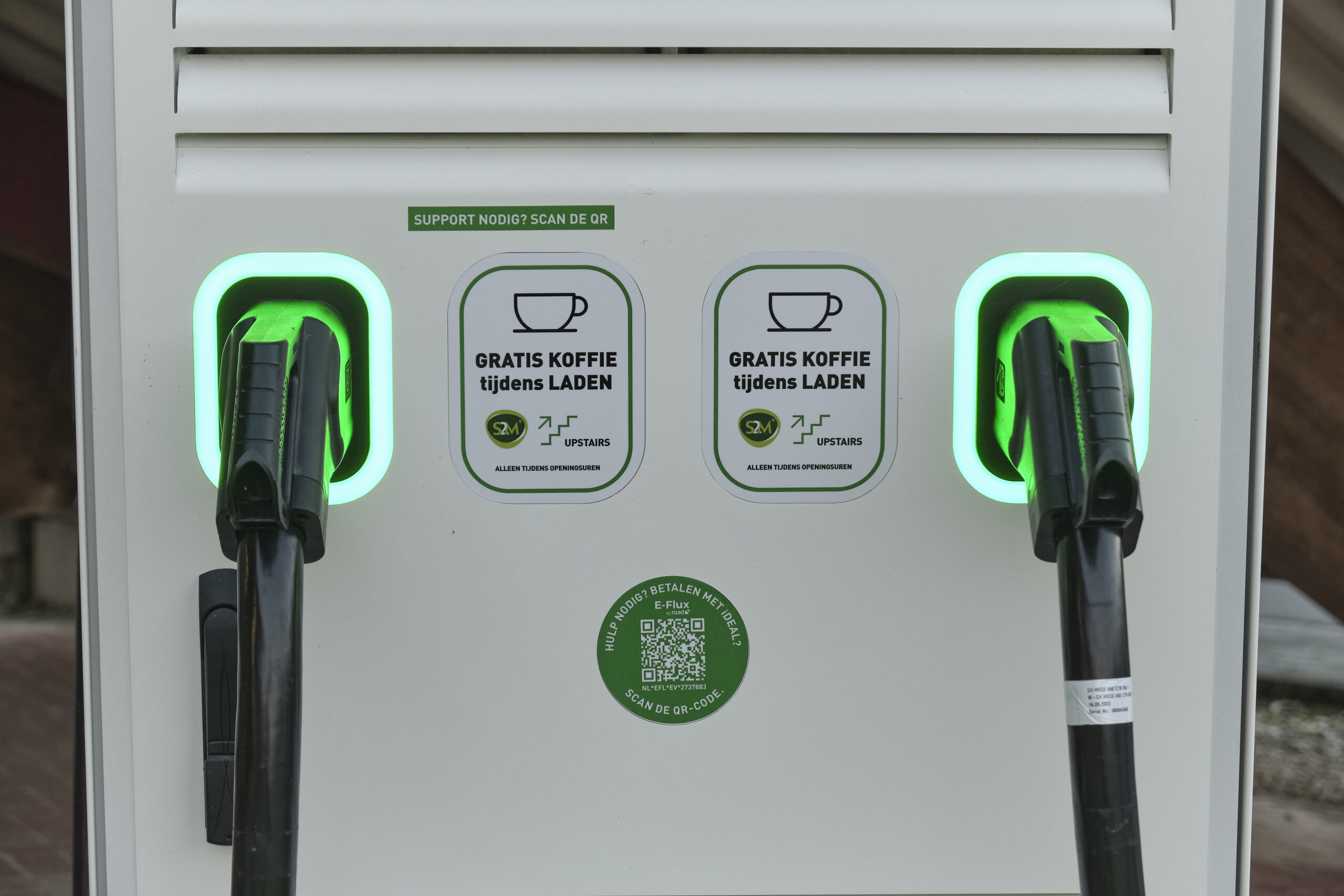
Specialised translation for charging infrastructure, drivetrains and software-defined vehicles, keeping pace with the rapid growth of electromobility.
Learn more
Batterietechnologien
In-depth terminology for cell chemistry, module and pack design, and gigafactory documentation across the battery value chain.
Learn more
Elektrotechnik & Digitalindustrie
We provide specialised translations across the entire ZVEI sector, from component data sheets to Industry 4.0 solutions.
Learn moreLanguages, formats and tools: Matched to global automotive supply chains
Automotive suppliers deliver to plants and clients in many countries. We deliver translations in more than 40 languages, focusing on key automotive markets: English, French, Italian, Spanish and Portuguese for Europe and Latin America. Polish, Czech, Slovak, Hungarian and Romanian for the Central and Eastern European production sites. Chinese, Japanese and Korean for the Asian markets. Turkish and Russian for further key locations. We work directly in your source environment for file formats, without conversion losses and with full layout fidelity.
| Format / tool | What we use them for |
|---|---|
| Word, Excel, PowerPoint | Operating manuals, training materials, data sheets and FMEA tables with full layout fidelity. |
| InDesign / IDML | High-quality service manuals, product brochures and trade show materials, including a layout check |
| FrameMaker / MIF | Structured technical documentation for complex components. Variables and cross-references stay intact. |
| XML / DITA / CCMS | Modular documentation from your content management system (Schema ST4, COSIMA, TIM-RS). Ideal for component families. |
| AutoCAD / CATIA / NX | Drawing text and dimensioning notes without affecting the CAD geometry. |
| PPAP and IMDS packages | Structured translation of all mandatory documents per industry-specific workflows. |
| PDF (reference) | Legacy content that can be used as a reference for terminology and consistency |
ISO 9001, ISO 17100, ISO 18587, tekom member, LICS certified, independently audited quality for your automotive documentation.
In the automotive supplier industry, IATF and VDA audits and strict compliance requirements are everyday business. This is why we consistently work in line with certified processes,. For you, this means traceable quality, documented procedures and qualified resources for every project.
- ✓ Qualified translators: native speakers with a background in the subject matter of automotive, electrical or mechanical engineering.
- ✓ Documented project management: traceable procedures and transparent communication at every stage of the project
- ✓ Four-eyes principle: revision by a second qualified translator accordance with ISO 17100

What customers say about COMLOGOS
'As one of the world's leading companies in the demanding field of impregnation and drying of electrical components, we use COMLOGOS for all our translation needs. Working with COMLOGOS is marked by consistently high-quality translations and reliable delivery times.'

'...thank you for the professional, long-standing collaboration.“'
The right services and technologies
FAQ Frequently asked questions on automotive translations
Got questions about translating for the automotive industry? Here you'll find answers to the most common topics that arise in our conversations with clients, including costs, translation memory, IATF and VDA audit compliance, the dual world of combustion engines and electromobility, language strategies for global supply chains, and urgent orders for launch cycles. If you have any questions specific to your project, please get in touch directly. We will respond within 24 hours.
The costs depend on several factors: language pair, the scope of the documentation and the complexity of the content (e.g. FMEA tables, ISO 26262 safety documents and IMDS material data), as well as the reuse rate from existing translation memories. For follow-up projects, costs often drop significantly since identical and similar segments from earlier translations are automatically recognised — typically by between 30% and 70%. The savings effect is especially large for automotive suppliers with many product lines and parallel product ranges. To obtain a concrete estimate, we can prepare a no-obligation quote based on your original files.
Yes. Our ISO 17100-certified workflows meet the documentation consistency and traceability requirements reviewed in IATF and VDA audits. Every translation goes through documented processes involving translation memories and terminology databases. On request, we also apply the four-eyes principle. We can also provide evidence of our linguists’ translation qualifications on request , which is a standard requirement in IATF audits.
This depends heavily on the sales model and supply chain. Tier 2 and Tier 3 suppliers from the DACH region typically translate into five to fifteen languages. Common ones include: English (as the industry’s global lingua franca), French, Italian, Spanish and Portuguese (for Europe and Latin America), Polish, Czech and Hungarian (for Central European plants), Chinese (for Asian production sites) and Turkish and Russian. We are happy to advise on the optimal language strategy for your specific markets and supply chains.
For automotive suppliers with tight launch cycles, short turnaround times are often critical. For standard projects, we typically deliver within a few business days. For urgent orders, depending on the language and scope, we can also provide translations within 24 hours. AI-assisted translation with post-editing in accordance with ISO 18587 can further reduce turnaround times without compromising compliance standards. Feel free to get in touch. We will find a suitable solution that fits any timeline.
Ideally: One or two sample files from your current project phase (e.g. requirement specification, process description or service document), details of the target languages and country, and your preferred delivery format (e.g. Word, InDesign, XML or CCMS export). If available, please also provide any existing term lists or glossaries.
Your automotive project is in good hands.
Your automotive project is in good hands.
Send us a sample file, such as an FMEA excerpt, a PPAP document or an operating manual We will analyse the scope, terminology and format and provide you with an estimate of the effort required, the timeline and a suitable language strategy for your EU or global supply chain. Non-binding and confidential.
IATF 16949-compliant processes · NDA as standard · Response within 24 hours

